Exide Battery Charger Manual: A Comprehensive Guide (Updated 12/10/2025)
This manual provides detailed instructions for Exide battery chargers, covering safe operation, features, and troubleshooting․ Explore solutions for various regions, including Europe and Asia-Pacific․
Exide has a long-standing reputation as a leading manufacturer of battery charging solutions, serving diverse needs from automotive to industrial applications․ This guide focuses on Exide battery chargers, designed for reliable and efficient battery maintenance and restoration․
Understanding your Exide charger is crucial for maximizing battery life and ensuring safe operation․ Exide offers a broad range of chargers, catering to different battery types and charging requirements․ Whether you need a standard charger for car batteries or a specialized unit for motorcycles or commercial vehicles, Exide provides a solution․
This manual will walk you through the features, safety precautions, and step-by-step instructions for using your Exide charger effectively․ Furthermore, resources for specific models, including manuals for the E800 and Xtreme Performance chargers, are provided to enhance your experience․ Exide’s global presence extends to Europe, the Middle East, Africa, and Asia-Pacific․
Understanding Battery Charging Technology
Battery charging isn’t simply applying power; it’s a carefully controlled process․ Lead-acid batteries, commonly charged by Exide chargers, undergo chemical reactions requiring specific voltage and current levels․ Initial charging demands a higher current for rapid recovery, transitioning to a lower ‘float’ charge to maintain full capacity without overcharging․
Exide’s smart chargers utilize advanced algorithms to optimize this process, automatically adjusting to battery type and condition․ Understanding these stages – bulk, absorption, and float – is key to maximizing battery lifespan․ Modern chargers also incorporate desulfation modes to reverse the effects of battery inactivity․
Effective charging relies on proper voltage regulation and temperature compensation․ Exide chargers are engineered to deliver consistent performance, ensuring optimal charging across various climates and applications․ This technology is vital for maintaining the reliability of stored energy solutions, as offered by Exide globally;
Types of Exide Battery Chargers
Exide offers a diverse range of battery chargers tailored to specific needs․ Standard automotive chargers provide reliable charging for car batteries, often featuring manual settings․ Smart/Automatic chargers are more advanced, automatically adjusting charge rates and offering multiple charging modes for convenience and battery protection․
For smaller batteries, Motorcycle & Powersports chargers deliver precise charging without damaging sensitive electronics․ Heavy-Duty/Commercial chargers are built for demanding applications, capable of charging large batteries quickly and efficiently․ These robust chargers are essential for professional use․
Exide’s product line caters to various regions, including Europe, the Middle East, Africa, and Asia-Pacific, ensuring accessibility to quality charging solutions․ Choosing the right charger depends on the battery type, size, and intended application․
Standard Automotive Battery Chargers
Exide’s standard automotive battery chargers are designed for 12-volt lead-acid batteries commonly found in cars and light trucks․ These chargers typically feature manual amperage and voltage settings, allowing users to control the charging process․ They are a cost-effective solution for basic battery maintenance and recovery․
These chargers generally offer multiple charge rates – slow, medium, and fast – to accommodate different battery conditions․ Exide emphasizes the importance of selecting the appropriate charge rate to avoid overcharging or damaging the battery․ They are widely available across regions like Europe and Asia-Pacific․
While simpler than smart chargers, they remain a reliable option for users comfortable with manual adjustments and understanding battery charging principles․
Smart/Automatic Battery Chargers
Exide’s smart or automatic battery chargers represent a significant advancement in battery charging technology․ These chargers utilize microprocessors to automatically adjust charging parameters based on the battery’s condition, preventing overcharging and maximizing battery life․ They are suitable for a wide range of 12V and sometimes 6V lead-acid batteries․
Features often include multiple charging stages – desulfation, bulk, absorption, and float – to optimize the charging process․ Many models also incorporate safety features like reverse polarity protection and short-circuit protection․ These are available in regions like Europe, the Middle East, and Asia-Pacific․
Smart chargers offer convenience and peace of mind, making them ideal for both novice and experienced users․
Motorcycle & Powersports Chargers
Exide offers specialized battery chargers designed for the unique needs of motorcycle and powersports batteries․ These chargers are typically smaller and lighter than automotive chargers, making them ideal for portable use․ They often feature charging modes specifically tailored for different battery types commonly found in motorcycles, ATVs, and personal watercraft – including AGM, gel, and lithium-ion․
These chargers prioritize gentle, controlled charging to prevent damage to sensitive powersports batteries․ Features like low-amp maintenance modes are crucial for long-term battery health during storage․ Availability extends across regions like Europe and Asia-Pacific․
Proper charging ensures optimal performance and longevity for your powersports equipment․
Heavy-Duty/Commercial Battery Chargers
Exide’s heavy-duty and commercial battery chargers are built for demanding applications, servicing larger batteries found in trucks, buses, construction equipment, and emergency vehicles․ These robust chargers deliver higher amperage and often feature multi-voltage capabilities to accommodate various battery systems․
They are designed for continuous use and often incorporate features like heavy-duty clamps and rugged housings for durability in harsh environments․ These chargers are available throughout Europe, the Middle East, Africa, and the Asia-Pacific region․
Reliable charging is critical for maintaining operational readiness in commercial fleets and essential services․

Safety Precautions When Using an Exide Charger
Always prioritize safety! Follow guidelines for electrical, battery, and ventilation precautions to prevent hazards during charger operation and maintenance․
General Safety Guidelines
Before operating your Exide battery charger, carefully read and understand all instructions and warnings․ This ensures safe and effective charging․ Always disconnect the charger from the AC power source before making any connections or disconnections to the battery․
Never charge a damaged battery; inspect for cracks or leaks․ Avoid charging in enclosed spaces without adequate ventilation, as batteries release explosive gases during charging․ Keep sparks, flames, and smoking materials away from the battery during the charging process․
Wear appropriate eye protection, such as safety glasses, to shield against potential acid splashes․ Do not disassemble the charger; repairs should only be performed by qualified personnel․ Keep the charger dry and avoid operating it in wet or damp conditions․ Ensure the charging area is clean and free of flammable materials․
Electrical Safety
Exide battery chargers operate on potentially dangerous voltages․ Always verify that the power outlet is properly grounded and matches the charger’s voltage requirements․ Never use extension cords unless absolutely necessary, and ensure they are of the correct gauge to handle the charger’s amperage․
Inspect the charger’s power cord for damage before each use; do not operate if the cord is frayed or damaged․ Avoid touching the charger’s terminals or clamps while it is plugged in․ Ensure the charger is unplugged before cleaning or performing any maintenance․
Do not expose the charger to rain or moisture, as this can create an electrical shock hazard․ If the charger malfunctions or exhibits signs of electrical issues, immediately disconnect it from the power source and seek professional repair․
Battery Safety
Batteries contain corrosive acid and can produce explosive gases during charging․ Always wear appropriate personal protective equipment, including safety glasses and gloves, when working near batteries․ Ensure adequate ventilation to prevent the accumulation of hydrogen gas, a highly flammable substance․
Never smoke or allow open flames near a charging battery․ Avoid short-circuiting the battery terminals, as this can cause severe damage and potential injury․ Inspect the battery for cracks or leaks before charging; do not charge a damaged battery․
Properly dispose of old batteries according to local regulations․ Be mindful of the battery’s polarity when connecting the charger; incorrect polarity can damage both the charger and the battery․
Ventilation Requirements
Charging batteries generates hydrogen gas, which is highly explosive․ Adequate ventilation is crucial to dissipate this gas and prevent dangerous concentrations from building up․ Always charge batteries in a well-ventilated area, preferably outdoors or in a garage with open doors and windows․
Avoid charging batteries in enclosed spaces like closets or airtight rooms․ Ensure airflow is not obstructed, and consider using a fan to circulate air during the charging process․ Never introduce sparks or flames near the charging area․
Regularly inspect the charging area for any potential ignition sources․ Proper ventilation significantly reduces the risk of explosion and ensures a safe charging environment․
Exide Charger Features & Indicators
Exide chargers utilize LED indicators and, on some models, digital displays to communicate charging status and settings․ Understanding these features is key․
LED Indicator Lights Explained
Understanding the LED indicators on your Exide battery charger is crucial for monitoring the charging process effectively․ Typically, a solid red light signifies the charging phase is actively occurring, indicating power is being delivered to the battery․ A flashing red light may signal a problem, such as a reversed polarity connection or a faulty battery․
When the light turns solid green, it generally means the battery is fully charged and the charger has transitioned to a maintenance or float mode․ Some models may also feature a yellow or amber light to indicate a desulfation or recovery mode is in progress, attempting to revitalize a deeply discharged battery․ Always refer to your specific model’s manual for precise interpretations of the LED patterns, as variations exist between different Exide charger designs․
Digital Display Functions (if applicable)
Exide chargers equipped with digital displays offer enhanced monitoring and control over the charging process․ The display typically shows voltage, indicating the battery’s electrical potential, and amperage, representing the current flow during charging․ Percentage (%) of charge is often displayed, providing a clear indication of the battery’s charging status․
Some advanced models may also show remaining time until a full charge, estimated based on the battery’s current state and the selected charging mode․ Error codes will appear on the display if any issues are detected, prompting you to consult the troubleshooting section of this manual․ Mode selection is also often visible, confirming the chosen charging profile․
Charging Mode Selection
Exide battery chargers often feature multiple charging modes tailored to different battery types and conditions․ Common modes include Standard/Fast Charge for quickly replenishing battery power, Trickle Charge for maintaining a fully charged battery over extended periods, and Recovery Mode designed to revive deeply discharged batteries․
Automatic Mode intelligently cycles through charging stages, optimizing the process for various battery needs․ Winter Mode adjusts charging parameters for colder temperatures, ensuring effective charging in low-temperature environments․ Selecting the correct mode is crucial for optimal battery health and longevity; refer to your battery’s specifications for guidance․
Voltage and Amperage Settings
Understanding voltage and amperage settings is vital for safe and effective battery charging․ Exide chargers typically support 6V and 12V battery systems; always verify the battery’s voltage before connecting the charger․ Amperage, measured in amps, determines the charging rate – higher amperage charges faster but can overheat batteries․
Adjust the amperage based on the battery’s capacity (Ah)․ Lower amperage settings are recommended for smaller batteries or maintenance charging; Incorrect settings can damage the battery or charger․ Consult the battery’s documentation and the charger’s manual for appropriate voltage and amperage levels․
Step-by-Step Charging Instructions
Proper connection, mode selection, and monitoring are key to successful charging․ Disconnect safely after completion, following all guidelines for optimal battery health․
Connecting the Charger to the Battery
Before connecting, ensure the charger is switched off․ Identify the positive (+) and negative (-) terminals on both the charger and the battery․ Always connect the positive (+) clamp to the positive terminal of the battery first, followed by the negative (-) clamp to the negative terminal․
Double-check the connections to prevent sparks or damage․ Ensure clamps have a secure grip, avoiding loose connections․ If the battery has corrosion, clean the terminals before attaching the clamps․ Incorrect polarity can severely damage the battery and charger, potentially causing a hazardous situation․ A firm, clean connection is vital for efficient and safe charging․
Avoid touching the metal clamps while connecting to prevent accidental short circuits․
Selecting the Correct Charging Mode
Exide chargers offer various modes tailored to different battery types and conditions․ Consult your charger’s panel for options like “Standard,” “Fast,” “Trickle,” or specific battery type settings (e․g․, AGM, Gel)․ For standard automotive batteries, the “Standard” mode is generally suitable․ If the battery is deeply discharged, a “Fast” charge may be used cautiously․
“Trickle” mode is ideal for maintaining a fully charged battery over extended periods․ Always refer to the battery manufacturer’s recommendations for optimal charging parameters․ Incorrect mode selection can lead to undercharging or overcharging, reducing battery lifespan․ Ensure the selected mode aligns with your battery’s specifications for safe and effective charging․
Monitoring the Charging Process
Regularly check the charger’s indicator lights or digital display during the charging cycle․ LEDs typically indicate charging status: red for charging, green for fully charged, or flashing for errors․ If your charger has a digital display, monitor the voltage and amperage readings to ensure they remain within safe limits․
Avoid leaving the charger unattended for extended periods, especially during fast charging․ Periodically check the battery terminals for excessive heat or gassing, which could indicate a problem․ Observe the charging time based on the battery’s capacity and the selected charging mode․ Proper monitoring ensures a safe and efficient charging process․
Disconnecting the Charger Safely
Before disconnecting, ensure the charger is switched off and set to the “Off” position․ Always disconnect the battery clamps from the battery terminals – first the negative (-) clamp, then the positive (+) clamp․ This prevents accidental short circuits․ Avoid touching the metal clamps while disconnecting to minimize the risk of sparks․
Carefully coil the charging cables and store them neatly to prevent damage․ Inspect the cables and clamps for any signs of wear or corrosion before storage․ Proper disconnection and storage extend the life of your Exide charger and ensure safe operation for future use․

Troubleshooting Common Issues
This section details solutions for charger malfunctions, including power failures, charging problems, and overcharging concerns․ Error codes are also explained for quick diagnosis;
Charger Not Turning On
If your Exide battery charger fails to power on, several factors could be at play․ First, verify the AC power source is functioning correctly by testing with another device․ Ensure the power cord is securely connected to both the charger and the outlet․
Next, inspect the charger’s fuse – a blown fuse is a common culprit․ Refer to the ‘Fuse Replacement’ section for instructions on locating and replacing it․ Check the on/off switch to confirm it’s in the ‘on’ position․
If these steps don’t resolve the issue, there might be an internal component failure․ Do not attempt to disassemble the charger yourself; contact Exide customer support or a qualified technician for assistance․ Attempting repairs yourself could void the warranty and pose a safety risk․
Battery Not Charging
If the Exide charger powers on but the battery isn’t receiving a charge, begin by confirming a secure connection between the clamps and the battery terminals․ Ensure correct polarity – red to positive (+), black to negative (-)․ Corrosion on the terminals can impede the charging process; clean them thoroughly․
Verify the charger is set to the appropriate charging mode for your battery type (e․g․, standard, AGM, gel)․ Check the voltage setting to match the battery’s voltage․ A severely discharged or damaged battery may not accept a charge; testing the battery’s health is crucial․
If the issue persists, the charger’s amperage output might be insufficient․ Consult the ‘Voltage and Amperage Settings’ section for adjustments․ Contact Exide support if problems continue․
Overcharging Concerns
Modern Exide smart/automatic chargers are designed to prevent overcharging through sophisticated algorithms․ However, prolonged charging after full capacity is reached can still potentially shorten battery life․ Regularly monitor the charging process, especially with older, non-automatic models․
If you suspect overcharging, immediately disconnect the charger from the power source․ Check the battery’s voltage – it shouldn’t exceed the recommended level for its type․ Ensure the charger’s settings are correct for the battery․
A malfunctioning charger could fail to recognize a fully charged battery․ If overcharging occurs repeatedly, discontinue use and contact Exide customer support for assistance or repair․
Error Codes and Their Meanings
Exide chargers with digital displays may present error codes indicating specific issues․ Consult your charger’s specific manual for a complete list, as codes vary by model․ Common codes might signal reversed polarity connections, a faulty battery, or internal charger problems․
For example, a “POL” error typically indicates incorrect cable connections – red to negative and black to positive․ A “BAT” error could mean the battery is severely damaged or sulfated․ An “INT” error suggests an internal charger malfunction requiring professional service․
Always address error codes promptly to prevent further damage․ Refer to the manual’s troubleshooting section before attempting repairs․ Contact Exide support if the code persists or you’re unsure how to proceed․
Exide Charger Maintenance & Care
Regular cleaning, cable inspection, and proper storage are crucial for longevity․ Replace fuses as needed to ensure optimal performance and safety of your Exide charger․
Cleaning the Charger
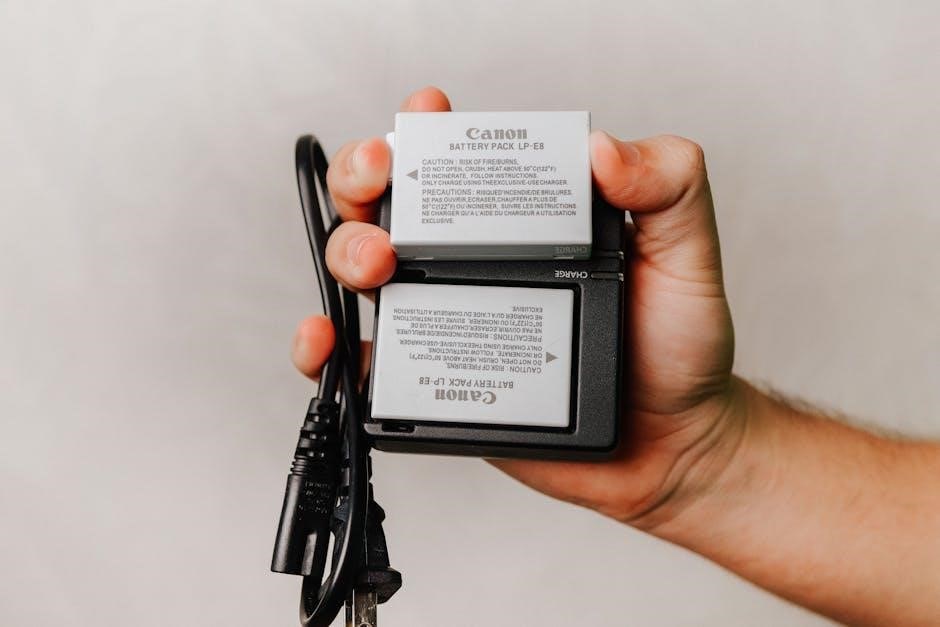
Maintaining a clean Exide battery charger is essential for its efficient operation and longevity․ Before any cleaning procedure, always disconnect the charger from the power outlet to prevent electrical shock; Use a slightly damp cloth – avoid soaking it – to wipe down the charger’s exterior casing․
Do not use harsh chemicals, solvents, or abrasive cleaners, as these can damage the plastic housing and internal components․ Pay particular attention to the charging clamps, removing any corrosion or debris with a wire brush or sandpaper․ Ensure the clamps are completely dry before reconnecting them to a battery․
Regularly inspect the ventilation slots for dust accumulation and clear them with a soft brush or compressed air․ This ensures proper airflow and prevents overheating․ A clean charger operates more effectively and safely, extending its lifespan and maintaining optimal charging performance․
Storing the Charger
Proper storage of your Exide battery charger is crucial for preserving its functionality and extending its service life․ Before storing, ensure the charger is completely cool and dry․ Disconnect the charging cables and neatly coil them, securing them with a cable tie or Velcro strap to prevent tangling․
Store the charger in a clean, dry, and well-ventilated location, away from extreme temperatures, humidity, and direct sunlight․ Avoid storing it near flammable materials or corrosive substances․ Ideally, place the charger in its original packaging or a protective case․
Periodically check the stored charger for any signs of damage or corrosion․ A well-stored charger will be ready for use when you need it, ensuring reliable battery maintenance for years to come․
Cable and Clamp Inspection
Regular inspection of the charging cables and clamps is vital for safe and efficient operation of your Exide battery charger․ Before each use, carefully examine the cables for any signs of cracks, fraying, or exposed wires․ Damaged cables pose a significant electrical hazard and must be replaced immediately․
Inspect the clamps for corrosion, looseness, or broken teeth․ Clean corroded clamps with a wire brush or sandpaper to ensure a good electrical connection․ Ensure the clamps securely grip the battery terminals during charging․
If any damage is detected, discontinue use and replace the affected components․ Maintaining cable and clamp integrity guarantees a safe and effective charging process, prolonging both charger and battery life․
Fuse Replacement
If your Exide battery charger stops functioning, a blown fuse may be the cause․ Always disconnect the charger from the power outlet before attempting any fuse replacement․ Locate the fuse holder, typically found near the power input․
Carefully remove the old fuse and note its amperage rating․ Never replace a fuse with one of a higher amperage, as this could damage the charger and create a safety hazard․
Install a new fuse of the exact same rating․ Ensure it’s firmly seated in the holder․ If the new fuse blows immediately, there’s likely an internal problem with the charger requiring professional repair․
Specific Exide Charger Models & Manuals (Resources)
Access detailed manuals for popular Exide models like the E800, Xtreme Performance, and 12V/6V chargers․ Find online resources for all models!
Exide E800 Charger Manual
The Exide E800 is a robust, multi-voltage battery charger designed for automotive, marine, and deep-cycle batteries․ This manual details its 12V and 6V charging capabilities, alongside essential safety precautions․ Users will find instructions on selecting the appropriate amperage setting (2A, 10A, and 20A) based on battery size and type․
The guide explains the function of the E800’s LED indicators, signaling charging status and potential issues․ It covers proper connection procedures – positive to positive, negative to ground – and emphasizes the importance of a well-ventilated charging area․ Troubleshooting sections address common problems like the charger not powering on or a battery failing to charge․
Furthermore, the manual provides guidance on maintaining the E800, including cleaning procedures and cable inspection․ It stresses the need for regular checks to ensure safe and efficient operation․ Always refer to the complete manual for detailed specifications and warranty information․
Exide Xtreme Performance Charger Manual
The Exide Xtreme Performance Charger is a smart, multi-stage charger engineered for optimal battery health and longevity․ This manual details its advanced features, including automatic voltage detection and desulfation technology․ Users will learn how to utilize the charger’s various modes – standard, AGM, gel, and lithium – to cater to diverse battery chemistries․
The guide explains the digital display, showcasing voltage, amperage, and charging stage․ It emphasizes safety protocols, including proper ventilation and avoiding flammable materials․ Troubleshooting sections address error codes and common issues, such as slow charging or the charger not recognizing the battery․
Maintenance instructions cover cleaning, cable inspection, and proper storage․ The manual highlights the charger’s built-in protections against overcharging, reverse polarity, and short circuits․ Always consult the full manual for detailed specifications and warranty details․
Exide 12V/6V Charger Manual
The Exide 12V/6V Charger is a versatile solution for maintaining both 12-volt and 6-volt lead-acid batteries․ This manual provides clear instructions for safely and effectively charging various battery types, including flooded, AGM, and gel․ It details the charger’s simple operation, featuring selectable voltage settings and a clear charging indicator․
Users will find guidance on connecting the charger to the battery, selecting the appropriate voltage (6V or 12V), and monitoring the charging process․ The manual stresses the importance of proper ventilation and avoiding contact with battery acid․ Troubleshooting tips address common issues like the charger not turning on or the battery not accepting a charge․
Regular maintenance, including cable inspection and cleaning, is emphasized for optimal performance․ The manual also outlines safety precautions to prevent electrical shock and battery damage․ Refer to the complete manual for detailed specifications and warranty information․
Finding Manuals Online
Locating your Exide battery charger manual online is straightforward․ Begin by visiting the official Exide Technologies website; a dedicated support section typically houses downloadable manuals․ Alternatively, numerous third-party websites archive manuals for various Exide models․ Utilize search engines with specific keywords like “Exide [model number] manual PDF” for targeted results․
Ensure the downloaded manual corresponds to your exact charger model number, found on the unit’s label․ Beware of unofficial sources and prioritize downloads from reputable websites to avoid malware․ Many online forums and communities dedicated to automotive maintenance also share manual links and troubleshooting advice․
If you encounter difficulties, contacting Exide’s customer support directly can provide a direct link or assistance in locating the correct manual․ Always keep a digital copy for future reference and easy access․