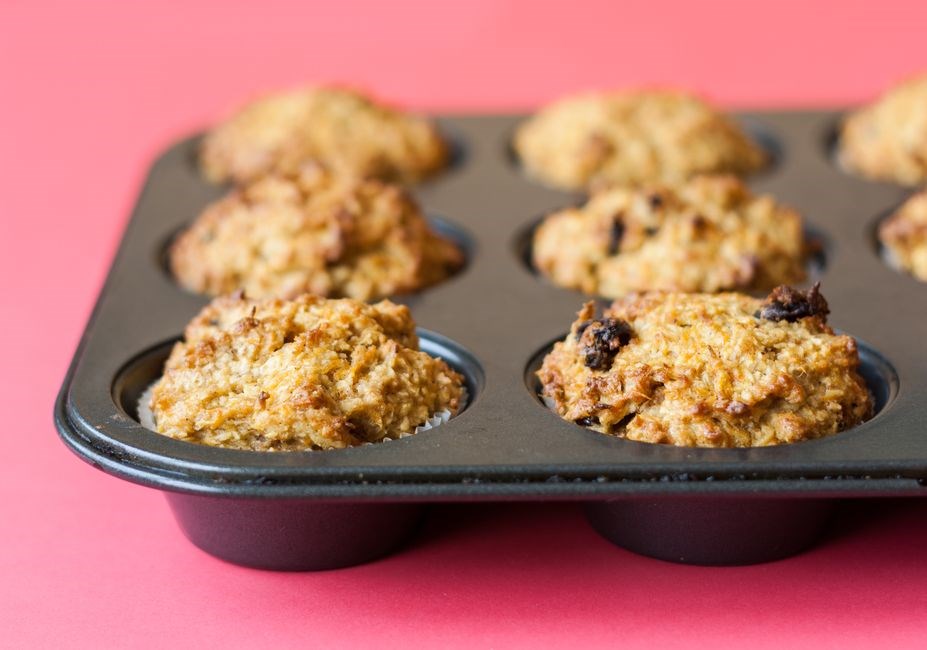
Start by gathering the dry mix, a splash of water, and a single egg․ Combine in a bowl, whisk until smooth, then spoon into greased muffin tins․ The batter should rise to about three‑quarters full before baking․ This simple routine unlocks a batch of fluffy, wholesome treats․ Enjoy the aroma as it rises․ Enjoy! Now!!!․
Ingredients Overview
Quaker Bran Muffin Mix is the base․ Add 1 cup water and 1 egg․ Optional sweeteners: brown sugar, honey, or maple syrup․ Mix until batter is smooth, then spoon into muffin cups․ Adjust thickness with extra water if needed․
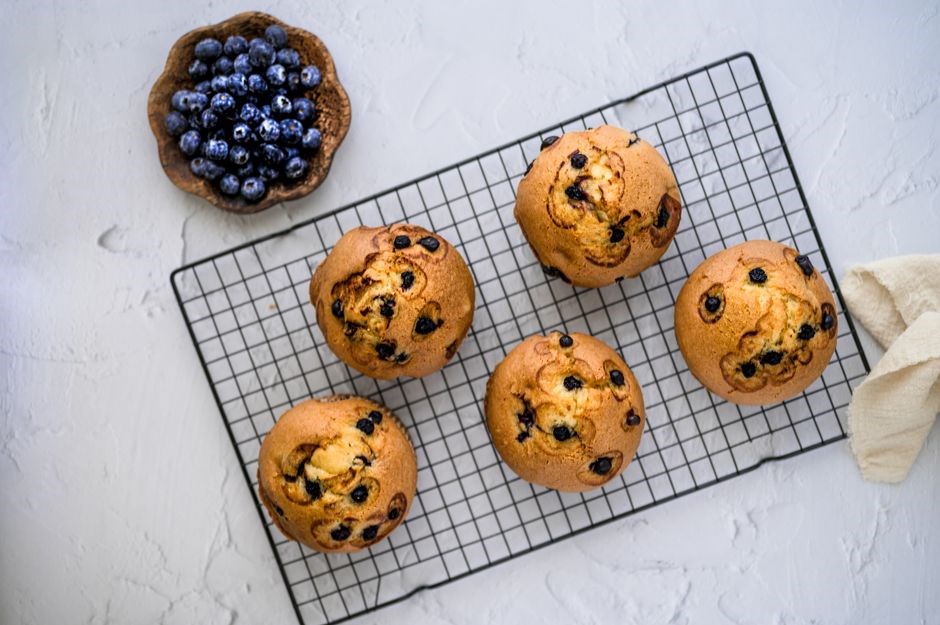
Include nuts, dried fruit, or chocolate chips for extra flavor․
Quaker Bran Muffin Mix Quantity
Quaker’s ready‑to‑bake bran muffin mix typically comes in a 900‑gram bag, enough to produce about 12 muffins when combined with the standard liquid and egg additions․ The packaging clearly states the yield, allowing bakers to plan portions for breakfast or snack times․ If you prefer a larger batch, simply multiply the dry mix by the desired number of servings․ For instance, a 1․8‑kilogram bag will yield roughly 24 muffins, while a 2․7‑kilogram bag can produce 36․ When scaling, keep the liquid‑to‑dry ratio constant: one cup of water and one egg per 900 grams of mix․ Adjust the volume of water slightly if you find the batter too thick or too runny; a tablespoon at a time will fine‑tune the consistency․ Some bakers add a tablespoon of oil or melted butter to the batter to enhance moisture and flavor, but this is optional and does not affect the overall yield․ The mix is versatile: you can incorporate spices, dried fruit, or chocolate chips, but remember that these add‑ins will slightly alter the batter’s density, so you may need to add a splash more liquid to maintain the same volume; Always follow the instructions on the box for the best results, and enjoy the convenience of a quick, nutritious muffin that can be prepared in minutes․ You may also experiment with adding a teaspoon of vanilla extract or a pinch of salt to enhance flavor, or substitute water with milk for a richer taste․ Adjust the liquid to keep batter consistency․ For extra texture, fold in a handful of chopped nuts or a spoonful of dried cranberries before baking; this adds crunch and sweetness!
Liquid & Egg Additions
Quaker’s bran muffin mix is designed for a quick, hassle‑free preparation that relies on a simple liquid and egg addition․ The standard recipe calls for one cup (240 ml) of water and one large egg per 900‑gram bag of mix․ Pour the dry mix into a large mixing bowl, then pour the water over it․ Crack the egg into the bowl and whisk the mixture until the batter is smooth and free of lumps․ If you prefer a richer texture, substitute the water with an equal volume of milk or a dairy‑free alternative such as oat or almond milk; this will add a subtle creaminess without altering the dry‑to‑wet ratio․ Some bakers like to add a tablespoon of oil or melted butter for extra moisture, but this is optional and does not change the overall yield․ Keep the batter at room temperature for a few minutes before spooning it into the muffin tins; this helps the mixture rise evenly․ If you’re adding spices, dried fruit, or chocolate chips, you may need to add a splash more liquid to keep the batter at the same consistency․ Always stir gently after adding any extras to avoid over‑mixing, which can make the muffins tough․ Once the batter is ready, fill each muffin cup about three‑quarters full, then bake as directed․ The liquid and egg additions are the key to transforming the dry mix into a tender, fluffy muffin that’s ready in just a few minutes․ For those who love a touch of crunch, fold in a handful of toasted oats or chopped walnuts before baking; the result is a delightful contrast of textures that pairs with a splash of vanilla‑infused milk for an extra burst of flavor․
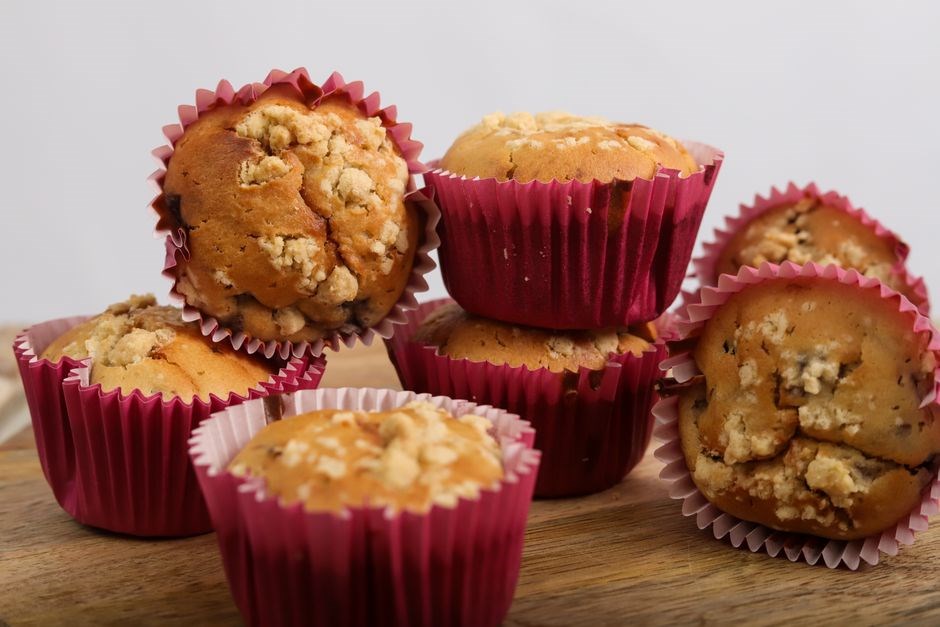
Optional Sweeteners
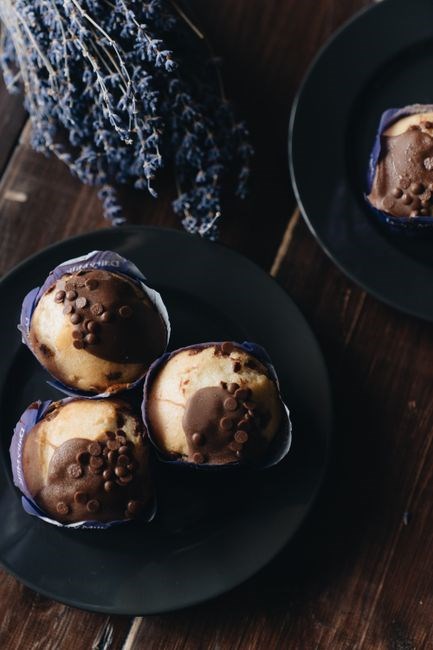
Optional sweeteners can transform the basic Quaker bran muffin mix into a personalized treat that suits any palate․ A classic choice is ¼ cup of brown sugar, evenly distributed across a dozen muffins, which adds a subtle molasses flavor without overpowering the bran’s nutty undertone․ If you prefer a healthier option, drizzle a tablespoon of pure maple syrup or a teaspoon of honey into the batter; both liquids introduce natural sweetness while keeping the mix moist․ For a low‑calorie alternative, try a splash of agave nectar or a sugar‑free sweetener like stevia or monk fruit; these will lift the flavor profile without adding extra sugar content․ Fruit purees—such as mashed banana, unsweetened applesauce, or pumpkin puree—are excellent for those who want to incorporate natural sweetness and additional fiber․ Dried fruit pieces, like raisins, cranberries, or chopped dates, can be folded in after the batter is mixed, offering bursts of sweetness and chewy texture․ If you’re in the mood for a richer experience, a tablespoon of molasses or a spoonful of coconut sugar can be added; both provide deep, caramelized notes that pair well with warm spices․ Finally, for a decadent twist, sprinkle a light dusting of powdered sugar over the finished muffins or serve them with a dollop of vanilla‑infused whipped cream․ Each of these sweeteners can be used singly or in combination, allowing you to experiment and discover the perfect balance for your morning routine․ When adding liquid sweeteners, reduce the amount of water by a tablespoon to keep the batter from becoming too runny․ If you choose to use fruit purees, remember that they contribute additional moisture, so you might need to add a pinch of extra dry mix to maintain the right consistency․ Add a teaspoon of vanilla for extra aroma now․
Preparation Steps
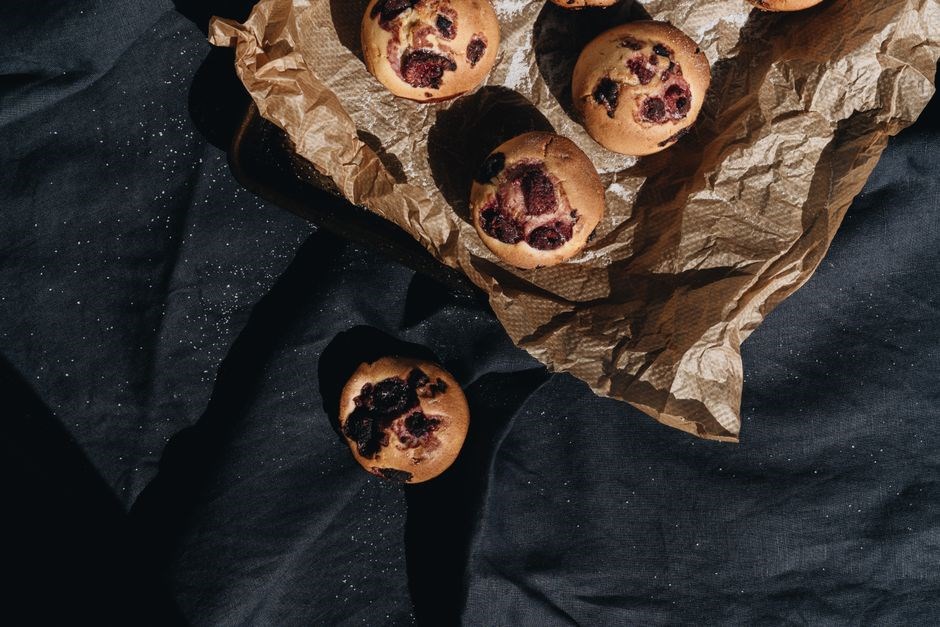
Gather the mix, water, and egg․ In a bowl, combine wet and dry, whisk until smooth․ Spoon batter into greased muffin tins, filling each about ¾ full․ Let the batter rest briefly before baking to ensure even rise․ Cool on a rack, then serve warm with a drizzle of honey or yogurt․ Now
Step 1: Mixing Dry and Wet
Begin by pouring the Quaker bran muffin mix into a large bowl․ Add one cup of water and one beaten egg, then stir with a wooden spoon until the batter is smooth and free of lumps․ The mixture should be thick yet pourable; if it feels too dry, add a splash more water․ Let the batter rest for a few minutes to allow the bran to absorb moisture, which helps create a tender crumb․ While resting, preheat your oven to 350°F (175°C) and line a muffin tin with paper liners or grease it lightly․ Once the batter has settled, spoon it into the prepared cups, filling each about three‑quarters full․ This ensures even rise and prevents overflow during baking․ The process is quick, requiring only a few minutes of mixing and a short rest period, making it ideal for busy mornings or last‑minute snack prep․ Enjoy the comforting aroma as the muffins bake to a golden finish․
The batter’s consistency is key: it should be thick enough to hold its shape but still pourable․ If it appears too dry, a tablespoon of milk or yogurt can be added to achieve the right texture․ Once the batter is ready, a quick visual check ensures that no large clumps remain․ This step guarantees a uniform crumb throughout the muffins․ Additionally, using a silicone muffin liner can prevent sticking and make cleanup effortless․ For those who enjoy a slightly sweet crust, a light dusting of powdered sugar on the tops before baking adds a subtle glaze․ Finally, keep an eye on the timer; the muffins are done when a toothpick inserted into the center comes out clean․ Serve warm or at room temperature, for six hrs and now in a box
Step 2: Combining Ingredients
After the dry mix has been poured into a bowl, add the measured water and the beaten egg․ Stir with a wooden spoon or whisk until the batter is smooth and all lumps are dissolved․ If you prefer a sweeter loaf, fold in a tablespoon of brown sugar or a drizzle of honey at this point; the liquid will help the sweetener dissolve evenly․ For a spiced variation, sprinkle in ½ teaspoon of ground cinnamon, a pinch of nutmeg, and a dash of ground ginger, then mix thoroughly so the spices are distributed throughout the batter․ The mixture should be thick yet pourable—if it feels too thick, add a splash of milk or water, one tablespoon at a time, until the desired consistency is reached․ Let the batter rest for 2–3 minutes; this allows the bran to absorb moisture, yielding a lighter crumb․ While the batter rests, preheat the oven to 350°F (175°C) and line a muffin tin with paper liners or grease it lightly․ Once the batter has rested, use a spoon or a piping bag to fill each cup about three‑quarters full․ This ensures even rise and prevents overflow during baking․ After filling, place the tin in the oven’s center rack and bake for 18–20 minutes, or until the tops are golden brown and a toothpick inserted into the center comes out clean․ Remove from the oven and let the muffins cool on a wire rack for at least 5 minutes before serving․ Enjoy the comforting aroma and the soft, moist interior that this simple combination delivers․
Use a silicone spatula to scrape the bowl sides, ensuring all dry powder is incorporated․ If the batter appears too runny, add a tablespoon of flour or more bran to thicken․ For extra moisture, replace part of the water with milk or buttermilk․ Keep the batter at room temperature for 5 minutes before baking to allow the bran to hydrate fully․ This small step improves the muffins’ rise and texture․ Remember to keep the batter cool to prevent premature rising․
Step 3: Filling Muffin Cups
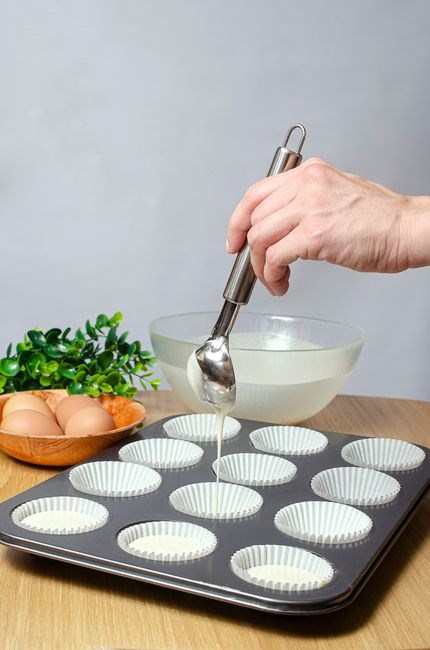
Once the batter has rested, it’s time to transfer it to the prepared muffin tin․ Use a large spoon or a piping bag fitted with a plain tip to portion the batter evenly into each cup․ Aim for about three‑quarters full; this height allows the muffins to rise without overflowing as the crumbs expand during baking․ If you prefer a more uniform shape, level the tops with the back of a spoon or a spatula, smoothing any bumps that might cause uneven browning․ For added visual appeal, sprinkle a light dusting of extra bran or a pinch of cinnamon on top of each filled cup before placing the tin in the oven․ This not only enhances flavor but also gives a subtle crunch to the crust․ Keep the tin on a flat surface to ensure each cup remains centered and the batter does not spill․ After all cups are filled, gently tap the tin on the counter to release any trapped air bubbles, which helps the muffins rise evenly․ Finally, slide the tin into the preheated oven’s middle rack, ensuring it sits level to avoid uneven baking․ This careful filling technique guarantees consistent texture and a golden finish across all muffins․ The process, while seemingly simple, offers a canvas for culinary creativity; by adjusting the ratio of liquid to dry, adding nuts, dried fruit, or a splash of vanilla extract, bakers can tailor the muffins to suit dietary preferences or flavor profiles․ Moreover, experimenting with different types of bran—such as oat, wheat, or flaxseed—can subtly alter the crumb structure and nutritional content and provide both texture and health benefits that appeal to a wide range of palates and joy delight
Baking Instructions
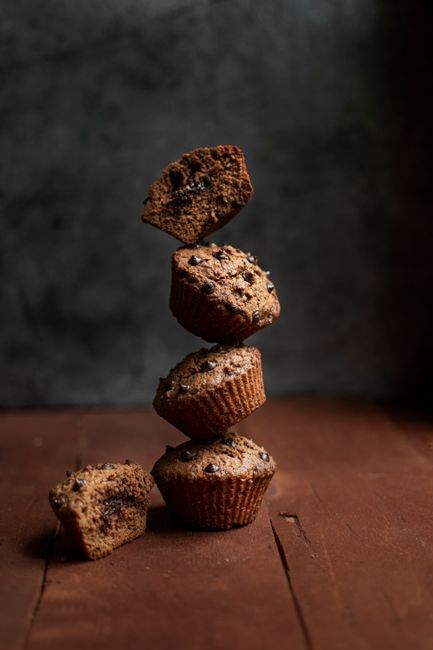
Preheat oven to 350°F (175°C)․ Place muffin tin in the center and bake for 18–20 minutes․ The tops should be golden and a toothpick inserted in the center comes out clean; Let cool on a rack before serving․ Use a timer to ensure consistency, and rotate the tin halfway through for even baking․ Enjoy the aroma․ and!
Oven Temperature & Timing
Set the oven to 350°F (175°C) and place the muffin tin on the middle rack․ Preheat for 10 minutes before adding the batter․ Spoon the mixture into each cup until it’s about three‑quarters full, giving the muffins room to rise․ Bake for 18–20 minutes, checking at 17 minutes with a toothpick; it should come out clean․ Let the muffins cool on a rack for five minutes before removing them․ Keep the oven door closed during baking to maintain a steady temperature․ If you want a crispier top, increase the heat by 25°F for the last two minutes, but watch closely to avoid over‑browning․ Add a tablespoon of melted butter to the batter for a richer, softer crumb․ Experiment with metal or silicone pans; metal yields a crisper bottom, silicone keeps the muffins moist․ For a gluten‑free version, use a mix that follows the same water‑to‑egg ratio․ Fold in dried fruit, nuts, or chocolate chips after the initial mix; they won’t alter the baking time significantly․ If you’re baking for a crowd, double the recipe and use a larger pan․ The key to perfect muffins is not just the temperature but also the batter’s consistency; it should be thick enough to hold its shape yet pourable․ If it’s too thick, add a splash of milk or water; if too thin, add a bit more dry mix․ Finally, allow the oven to reach the set temperature before placing the tray inside; this ensures even rise and a golden crust․ Enjoy experimenting and sharing these wholesome treats with friends and family․ Remember to preheat the oven before placing the tray to ensure consistent baking․ If you prefer a denser crumb, reduce the water slightly; for a lighter texture, increase it a touch․ Use parchment liners for easy cleanup and to prevent sticking․ Serve warm with a dollop of yogurt or a drizzle of honey for extra indulgence․ These muffins keep well in an airtight container for up to three days or can be frozen for longer storage․
Checking for Doneness
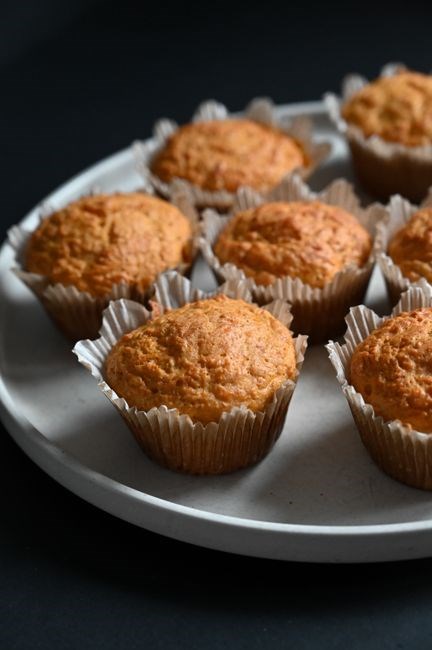
To confirm that the muffins are fully baked, insert a clean toothpick into the center of one; it should come out with only a few moist crumbs․ The tops should be a deep golden brown and slightly crisp on the edges․ If the toothpick returns wet batter, give the muffins an extra minute or two, but be careful not to overbake․ A good rule of thumb is to check after 18 minutes and then every minute thereafter․ The interior should feel firm yet springy when pressed lightly․ If the muffins feel too soft, bake a bit longer․ A useful trick is to place a small piece of parchment paper in the bottom of the pan; this prevents the bottoms from becoming too dark and allows for even heat distribution․ For those who prefer a crispier crust, move the pan to the upper rack during the last minute of baking, but watch closely to avoid burning․ Once removed, let the muffins rest on a wire rack for at least five minutes; this allows steam to escape and the crumb to set․ If you notice a slightly sticky surface, it may simply need a few more minutes to dry out․ Finally, to test the overall texture, press the top of a muffin with your thumb; it should spring back immediately․ If it feels flat, bake a few minutes longer․ By following these simple checks, you can ensure every muffin is moist inside, golden on top, and ready to serve․ Add a splash of milk or water to the dry mix and stir until just combined; the batter will be slightly thinner but still bake well․ Replace half the water with milk or add a tablespoon of vanilla extract․ Prevents soggy bottoms․
Flavor Variations & Add-ins
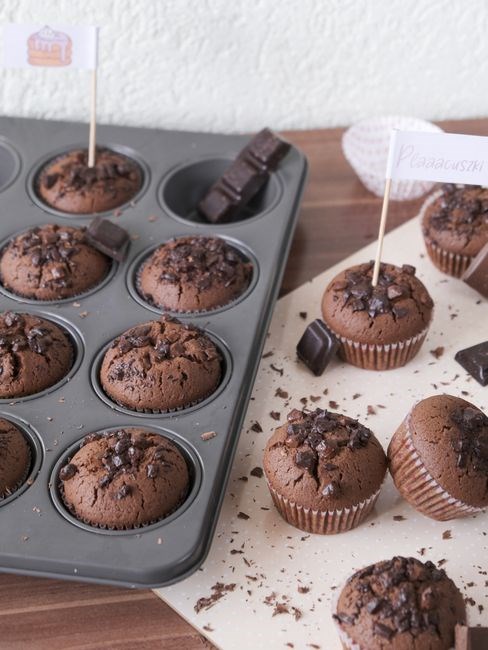
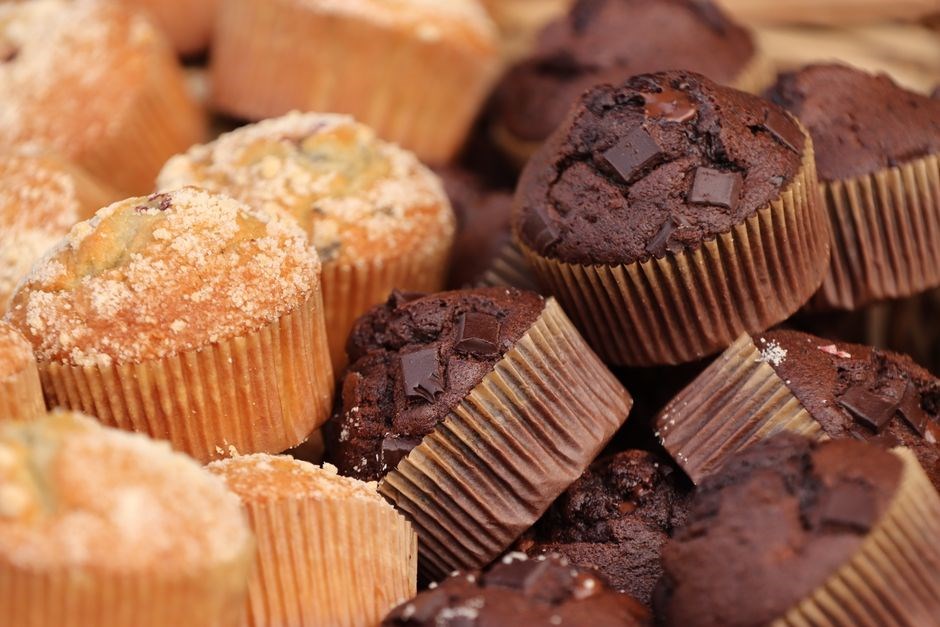
With Quaker Bran Muffin Mix, endless flavor possibilities await․ Replace part of the water with milk or add vanilla extract for a richer base․ Sweeten with ¼ cup brown sugar or honey, then stir in a pinch of sea salt to balance the taste․ For a classic spice twist, add 1 teaspoon cinnamon, a dash of nutmeg, cloves, and ginger․ A splash of espresso powder gives a subtle coffee note that pairs well with chocolate chips․ Fold in ½ cup dried cranberries, raisins, or chopped apples for fruitiness․ Nuts—almonds, walnuts, pecans—add crunch when toasted beforehand․ Swirl in ¼ cup peanut butter or almond butter for a decadent touch․ Sprinkle semi‑sweet chips on top for a chocolate‑filled center․ For a tropical vibe, add ½ cup shredded coconut or diced pineapple․ If you crave savory, mix in grated cheese, spinach, or herbs․ Experiment with liquids: coconut milk, oat milk, or apple juice for texture․ Keep batter moist and avoid overmixing; gentle folding preserves fluff․ Add citrus zest, toasted coconut flakes, or almond milk for extra moisture․ Mix in dried apricots, dates, or figs for natural sweetness․ Swap the mix for gluten‑free and add chia seeds for protein․ For a holiday twist, stir in pumpkin puree, nutmeg, and cinnamon․ Feel free to experiment with nuts, seeds, dried fruits, or spices to craft your perfect muffin everyday taste․ These creative combinations let you tailor each batch to your taste, making breakfast both exciting and nutritious, perfect for sharing with friends or packing for on‑the‑go lunches, while keeping the batter moist and fluffy․ Enjoy! OK․