Engine Idled: See Manual ⎯ A Comprehensive Guide
This manual assists Toyota Vios owners, detailing engine trouble and offering solutions for efficient operation. Addressing prolonged idling’s impact on equipment is crucial for fleet managers.
Understanding the “Engine Idled, See Manual” Warning
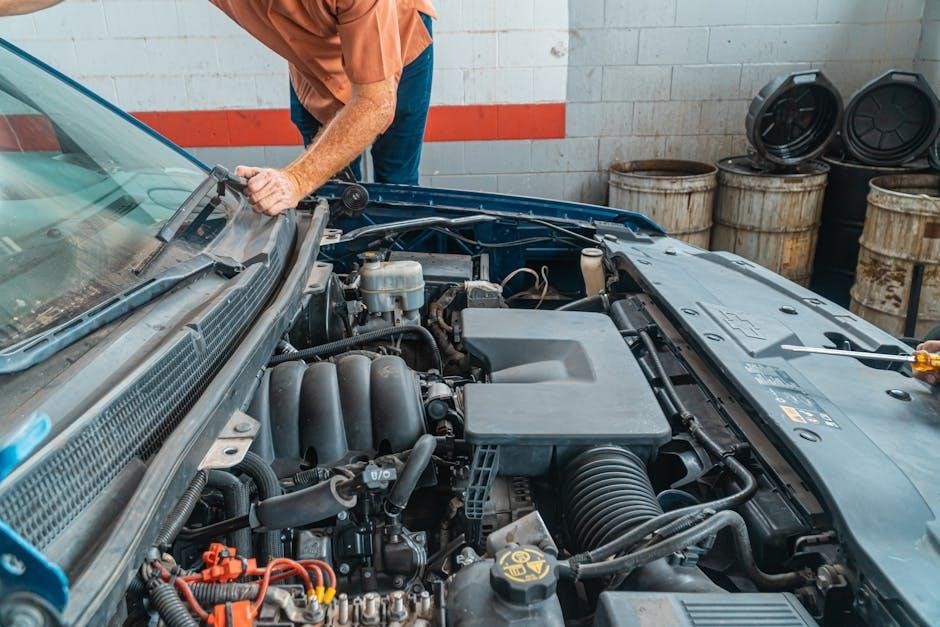
The “Engine Idled, See Manual” warning illuminates when your vehicle’s engine is running, but not operating under typical driving conditions – essentially, when stationary. This isn’t usually an immediate cause for panic, but a signal demanding investigation. It indicates the engine control unit (ECU) has detected an irregularity in the idle speed or stability.
Essentially, the engine isn’t running as smoothly or efficiently as it should when at rest. This could stem from numerous factors, ranging from minor sensor glitches to more significant mechanical issues. The warning light prompts you to consult your vehicle’s manual for specific guidance related to your Toyota Vios model. Ignoring this warning can lead to decreased fuel efficiency, increased emissions, and potentially, more serious engine damage over time. Understanding the root cause is vital for maintaining optimal vehicle performance and longevity.
Common Causes of Engine Idling Issues
Several factors can contribute to a rough or unstable idle. Vacuum leaks are frequent culprits, disrupting the air-fuel mixture. A dirty or malfunctioning Idle Air Control (IAC) valve can’t properly regulate airflow at idle. Similarly, a failing Mass Airflow (MAF) sensor provides inaccurate data to the ECU, impacting fuel delivery.
Fuel system problems, like clogged fuel injectors or a weak fuel pump, restrict fuel flow. Spark plug degradation or ignition coil issues hinder proper combustion. Sensor malfunctions, particularly those related to crankshaft or camshaft position, can disrupt engine timing. Prolonged engine idling, common in construction fleets, exacerbates wear and tear on these components. Ultimately, a combination of these issues, or a single significant failure, can trigger the “Engine Idled, See Manual” warning, demanding prompt diagnosis and repair.
Impact of Prolonged Idling on Vehicle Components
Extended idling significantly accelerates wear and tear on critical engine parts. The constant, albeit low-load, operation leads to increased carbon buildup within the engine, particularly on piston rings and valves, reducing efficiency. Oil degradation occurs faster as the oil isn’t reaching optimal operating temperature, diminishing its lubricating properties.
For construction fleets, this impact is magnified across numerous vehicles. The starter motor experiences increased strain with frequent starts and stops. Battery life is shortened due to continuous discharge. Furthermore, prolonged idling contributes to DPF (Diesel Particulate Filter) clogging in diesel engines, necessitating costly repairs. Addressing this hidden impact is vital for maintaining equipment longevity and minimizing downtime, ultimately impacting operational costs.
Fuel Efficiency and Idling: A Direct Correlation

A direct and negative correlation exists between fuel efficiency and engine idling. When a vehicle idles, fuel is continuously consumed without covering any distance, effectively wasting resources. Unlike efficient cruising speeds, idling provides zero miles per gallon. This wasted fuel translates directly into increased operating costs, particularly impactful for large fleets where even small inefficiencies accumulate significantly.
Understanding how an engine works when stationary – not under pressure – reveals the inefficiency. The engine continues to burn fuel to maintain operation, even without propelling the vehicle. Minimizing idling time is therefore a straightforward method for improving fuel economy and reducing overall expenses; Fleet managers can implement strategies to curb idling, leading to substantial savings and a reduced carbon footprint.
Emissions and Environmental Concerns Related to Idling
Prolonged engine idling significantly contributes to harmful emissions, impacting air quality and posing environmental concerns. While modern vehicles have emission control systems, these are less effective during idling, resulting in increased levels of pollutants like carbon monoxide, nitrogen oxides, and particulate matter. These emissions contribute to smog, respiratory problems, and other adverse health effects.
The cumulative effect of widespread idling, especially from large fleets of vehicles and construction equipment, is substantial. Reducing idling isn’t just about saving fuel; it’s a crucial step towards environmental responsibility. Fleet managers addressing this hidden impact can demonstrably lower their carbon footprint and contribute to a healthier environment. Minimizing unnecessary engine operation is a simple yet powerful action for sustainability.
Diagnostic Steps: Initial Checks
When facing an “Engine Idled, See Manual” warning, begin with fundamental checks. Visually inspect the engine bay for any obvious issues – loose wires, disconnected hoses, or fluid leaks. Confirm the engine isn’t experiencing excessive vibration or unusual noises. Ensure all electrical connections related to the engine management system are secure.
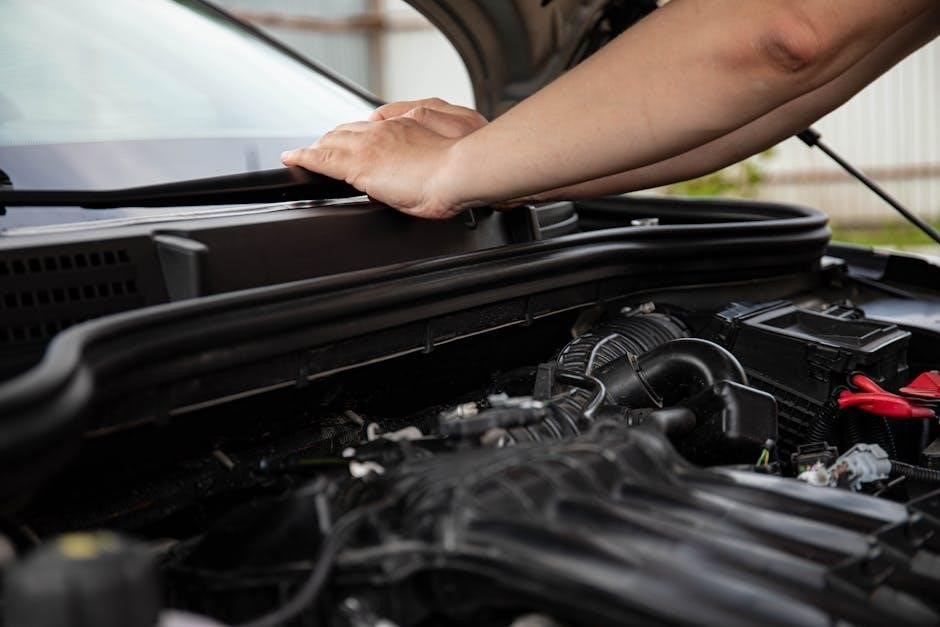
Check the vehicle’s maintenance records to verify recent service, particularly regarding the fuel system, air intake, and ignition components. A simple review can reveal if a scheduled maintenance item might be the root cause. Before employing advanced diagnostics, these initial, non-invasive checks can often pinpoint easily rectifiable problems, saving time and resources. Remember, a systematic approach is key to effective troubleshooting.
Using an OBD-II Scanner for Idling Problems
An OBD-II scanner is invaluable when diagnosing “Engine Idled, See Manual” issues. Connect the scanner to the vehicle’s diagnostic port and retrieve any stored Diagnostic Trouble Codes (DTCs). These codes offer crucial clues about the source of the problem, potentially indicating sensor malfunctions, fuel system irregularities, or ignition issues.
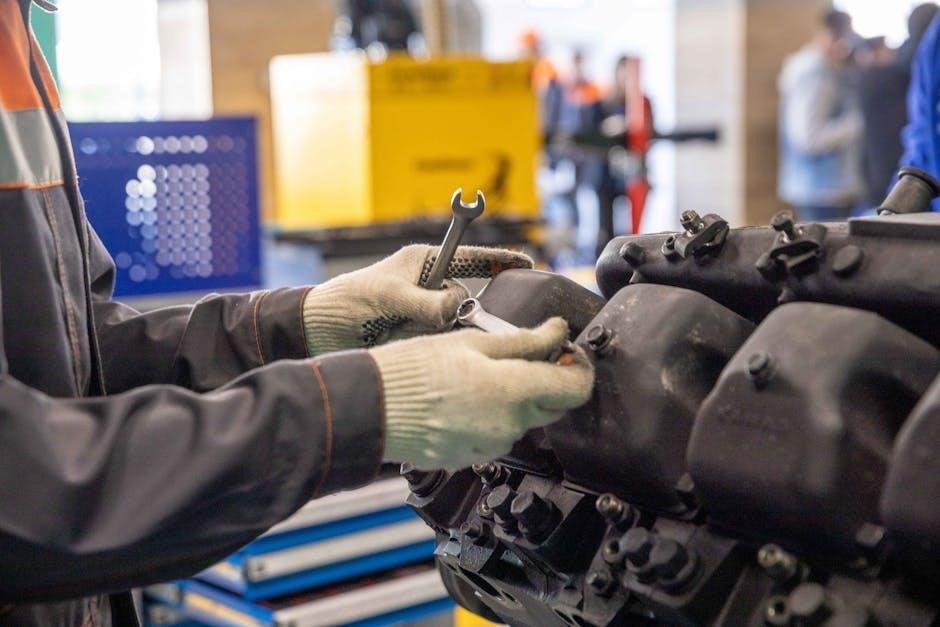
Beyond DTCs, examine the scanner’s live data stream. Monitor parameters like engine RPM, coolant temperature, fuel trim, and MAF sensor readings. Deviations from expected values can highlight specific components contributing to the rough idle. Clear the DTCs after repair and retest to confirm the fix. Remember, the scanner provides data; skilled interpretation is essential for accurate diagnosis and effective repair.
Checking the Idle Air Control (IAC) Valve
The Idle Air Control (IAC) valve regulates airflow into the engine during idle, maintaining a stable RPM. A malfunctioning IAC valve is a frequent cause of rough idling. Begin by locating the IAC valve – its position varies by vehicle model. Visually inspect it for carbon buildup or damage. Carefully remove the valve and clean it thoroughly with throttle body cleaner, ensuring no residue remains.
Test the IAC valve’s operation using a multimeter to check its resistance. Compare the reading to the manufacturer’s specifications. If the resistance is outside the acceptable range, the valve likely needs replacement. Reinstall the cleaned or new IAC valve and observe if the idling issue is resolved. Proper IAC function is vital for smooth engine operation when stationary.
Inspecting the Mass Airflow (MAF) Sensor
The Mass Airflow (MAF) sensor measures the amount of air entering the engine, crucial for proper fuel mixture calculation. A faulty MAF sensor can lead to unstable idling and poor engine performance. Locate the MAF sensor, typically situated in the intake air stream. Disconnect the electrical connector and carefully remove the sensor.
Visually inspect the sensor’s filaments for dirt, debris, or damage. Use a specialized MAF sensor cleaner – do not use carburetor cleaner – to gently clean the filaments. Avoid touching them directly. Reinstall the sensor and reconnect the electrical connector. Use an OBD-II scanner to monitor the MAF sensor’s readings; they should correspond with engine speed. Incorrect readings indicate a failing sensor requiring replacement for optimal idle control.
Evaluating the Throttle Body and its Components
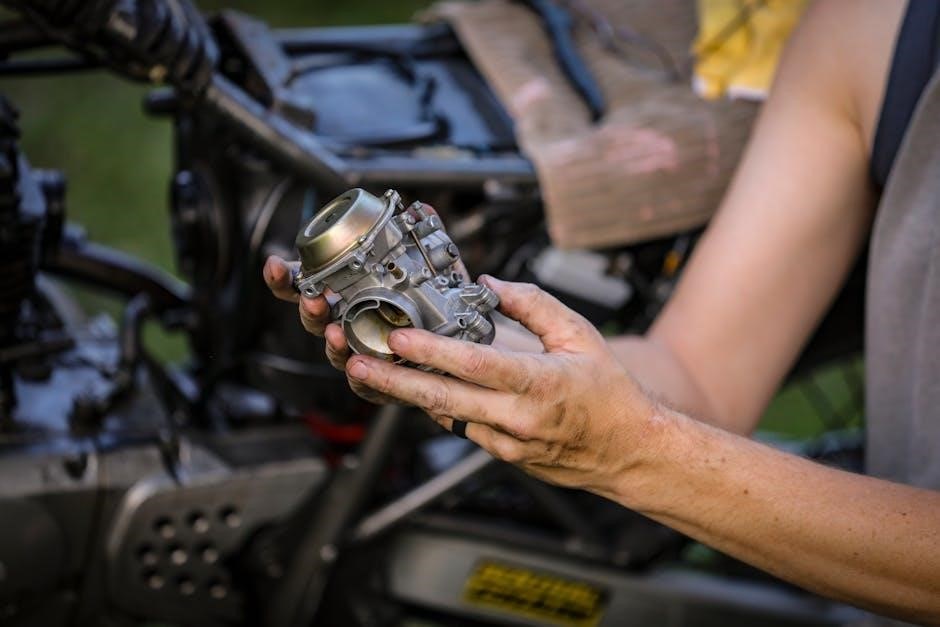
The throttle body controls the amount of air entering the engine, directly impacting idle speed. Begin by visually inspecting the throttle body for carbon buildup around the throttle plate. A dirty throttle body restricts airflow, causing rough idling. Disconnect the air intake duct and carefully open the throttle plate manually.
Clean the throttle body using a throttle body cleaner and a soft cloth, ensuring the cleaner doesn’t enter the throttle position sensor (TPS). Check the TPS for smooth operation; a faulty TPS sends incorrect signals to the engine control unit. Also, inspect the throttle cable (if equipped) for proper adjustment and wear. Proper throttle body function is essential for a stable and efficient engine idle, contributing to overall vehicle performance.
Fuel System Issues Contributing to Rough Idle
A rough idle can often be traced back to problems within the fuel system. Begin by checking the fuel filter; a clogged filter restricts fuel flow, leading to a lean mixture and unstable idle. Inspect the fuel pump for adequate pressure – insufficient pressure starves the engine. Fuel injectors are also critical; dirty or failing injectors deliver an uneven fuel spray.
Consider fuel injector cleaning or replacement if necessary. A faulty fuel pressure regulator can cause either too much or too little fuel to reach the engine. Furthermore, check for any fuel leaks, as these can disrupt the fuel-air mixture. Addressing these fuel system components is vital for restoring a smooth and consistent engine idle, ensuring optimal performance and efficiency.
Vacuum Leaks: Identification and Repair
Vacuum leaks are a frequent cause of rough idling, disrupting the precise air-fuel mixture required for smooth engine operation. These leaks allow unmetered air into the intake manifold, leaning out the mixture. Identifying leaks can be done visually, inspecting hoses and connections for cracks or disconnections.
A common method involves spraying carburetor cleaner or starting fluid around vacuum lines and intake manifold gaskets; a change in engine speed indicates a leak. Smoke testing is another effective diagnostic technique. Repairing vacuum leaks involves replacing damaged hoses, tightening connections, or replacing gaskets. Addressing these leaks restores proper engine vacuum, leading to a stable and efficient idle, and preventing further performance issues.

Spark Plug and Ignition System Analysis
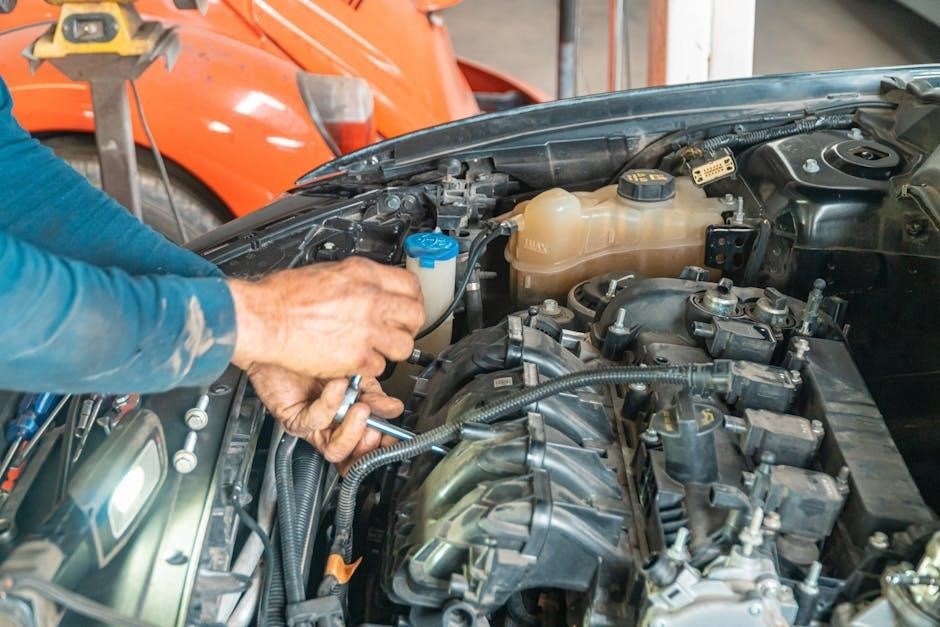
A malfunctioning ignition system significantly impacts engine idle quality. Worn or fouled spark plugs create weak or inconsistent sparks, leading to misfires and a rough idle. Inspecting spark plugs for wear, damage, or improper gap is crucial. Analyzing the spark plug’s condition can reveal underlying engine issues, like rich or lean fuel mixtures.
Beyond the plugs themselves, examine ignition coils, wires, and the distributor (if equipped). Weak coils or damaged wires can reduce spark energy. Testing coil resistance and checking for wire damage are essential steps. A failing crankshaft or camshaft position sensor, integral to ignition timing, can also cause idle problems. Ensuring a strong, consistent spark across all cylinders is vital for a stable and smooth engine idle.
Sensor Malfunctions: Crankshaft & Camshaft Position Sensors
The crankshaft position sensor (CKP) and camshaft position sensor (CMP) are critical for accurate engine timing and fuel delivery. A failing CKP sensor can prevent the engine from starting or cause intermittent stalling, often manifesting as a rough or unstable idle. The CMP sensor helps the engine control unit (ECU) determine valve timing, impacting idle smoothness.
Malfunctioning sensors send incorrect data to the ECU, disrupting the air-fuel mixture and ignition timing. Diagnostic trouble codes (DTCs) related to these sensors are common when idling issues arise; Testing sensor resistance and signal output with a multimeter or oscilloscope is essential. Replacing a faulty sensor often resolves idle problems, restoring proper engine synchronization and performance. Accurate sensor readings are paramount for optimal idle control.
Preventative Maintenance to Reduce Idling Issues
Proactive maintenance significantly minimizes the occurrence of engine idling problems. Regular oil changes, using the manufacturer’s recommended viscosity, are fundamental, ensuring optimal lubrication and reducing internal friction. Air filter replacement prevents restricted airflow, maintaining proper air-fuel ratios crucial for a stable idle. Inspecting and replacing spark plugs at designated intervals guarantees efficient combustion.
Furthermore, routine checks of vacuum hoses for leaks and cleaning the throttle body prevent airflow disruptions. Addressing minor issues promptly avoids escalation into major idling concerns. For fleet managers, implementing scheduled maintenance programs for equipment is vital. Consistent upkeep extends engine life, improves fuel efficiency, and reduces downtime associated with idling-related faults, ultimately saving costs.
The Role of Engine Oil and Regular Oil Changes
Engine oil is the lifeblood of your vehicle, and its condition directly impacts idling stability. Regular oil changes, adhering to the Toyota Vios’s recommended schedule, are paramount. Fresh oil provides optimal lubrication, reducing friction between moving parts, which is especially critical during idling when engine load is minimal but components are still actively working.
Degraded oil loses its viscosity, failing to adequately protect engine components and contributing to rough idling. Oil also carries away heat and contaminants; neglecting changes leads to buildup and potential damage. Selecting the correct oil viscosity, as specified in your owner’s manual, is equally important. Consistent oil maintenance isn’t just about preventing idling issues; it’s about preserving overall engine health and longevity, minimizing costly repairs down the line.
Modern Engine Technologies and Idle Control
Contemporary engine designs, like those found in the Toyota Vios, incorporate sophisticated systems for precise idle control. These systems move beyond simple carburetor adjustments, utilizing electronic throttle bodies, idle air control (IAC) valves, and advanced engine control units (ECUs). The ECU constantly monitors sensor data – from the MAF sensor to crankshaft position – to maintain a stable idle speed, adapting to varying loads like air conditioning or power steering.
Variable valve timing and direct fuel injection further refine idle quality and fuel efficiency. However, these complex systems also introduce new potential failure points. Diagnosing idling issues in modern engines often requires specialized tools, like OBD-II scanners, to interpret the data stream and pinpoint the root cause. Understanding these technologies is key to effective troubleshooting and repair.
Fleet Management Strategies to Minimize Idling
For construction and other fleets, minimizing engine idling is paramount for cost savings and environmental responsibility. Implementing strict anti-idling policies, enforced through driver training and monitoring, is a crucial first step. Telematics systems can track idling time per vehicle, identifying areas for improvement and rewarding efficient driving habits.

Consider utilizing automatic engine shut-off systems, particularly for equipment operating in stationary modes. Regularly scheduled maintenance, including checks of the IAC valve and fuel system, prevents issues that contribute to rough idling and increased fuel consumption. Addressing the hidden impact of prolonged idling directly translates to reduced operating costs and a smaller carbon footprint, benefiting both the bottom line and the environment.